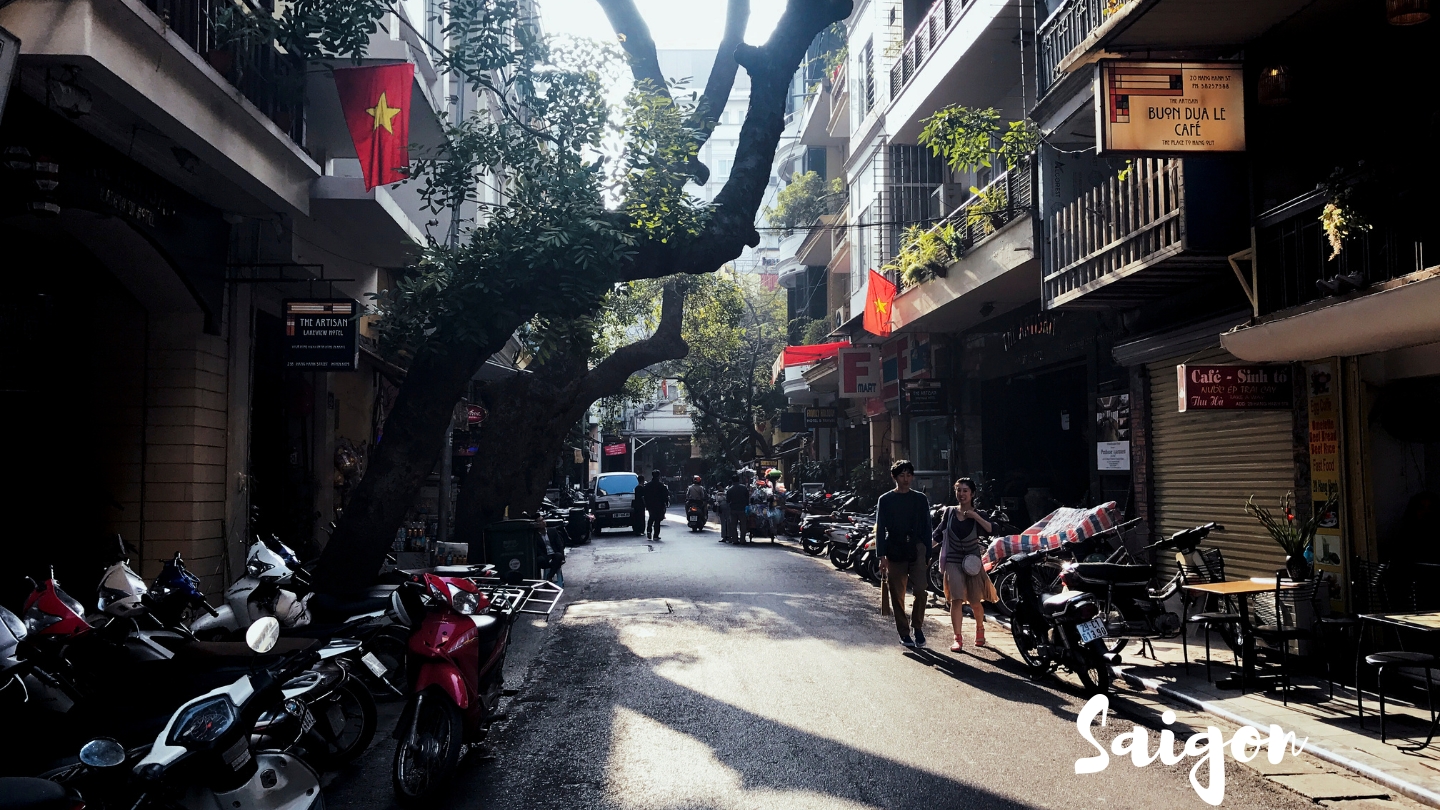
Many travelers often ask us, "Is the city called Ho Chi Minh City or Saigon?" Historically, Saigon was renamed Ho Chi Minh City in 1975 to mark a significant milestone in national unification. However, the beloved name "Saigon" remains deeply woven into our daily lives and culture. You will still see it proudly preserved in historical landmarks, natural wonders, and modern hubs alike—from the Saigon River and Saigon University to popular destinations like Saigon Square. In fact, the vibrant central core of the city is still affectionately referred to as the Saigon Center.
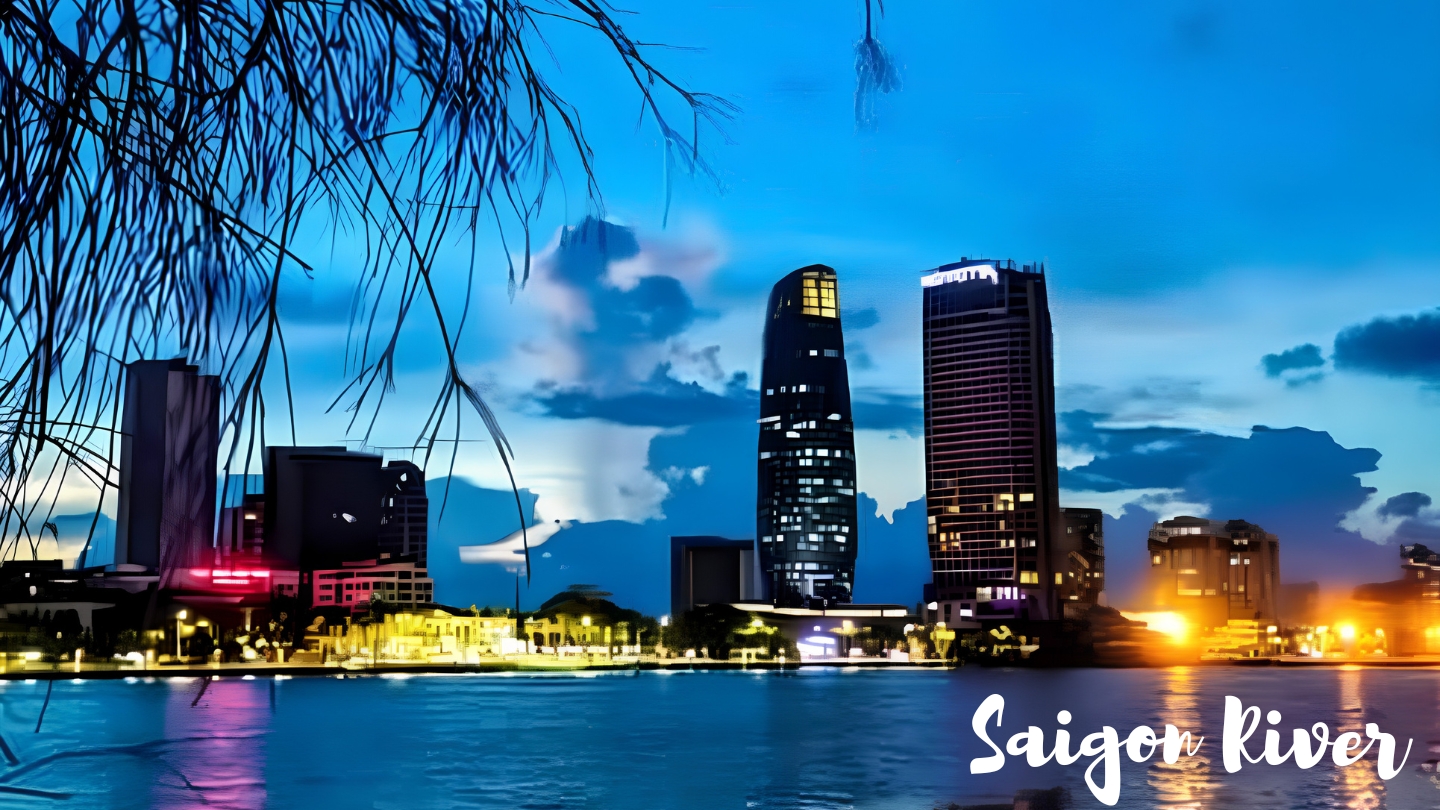
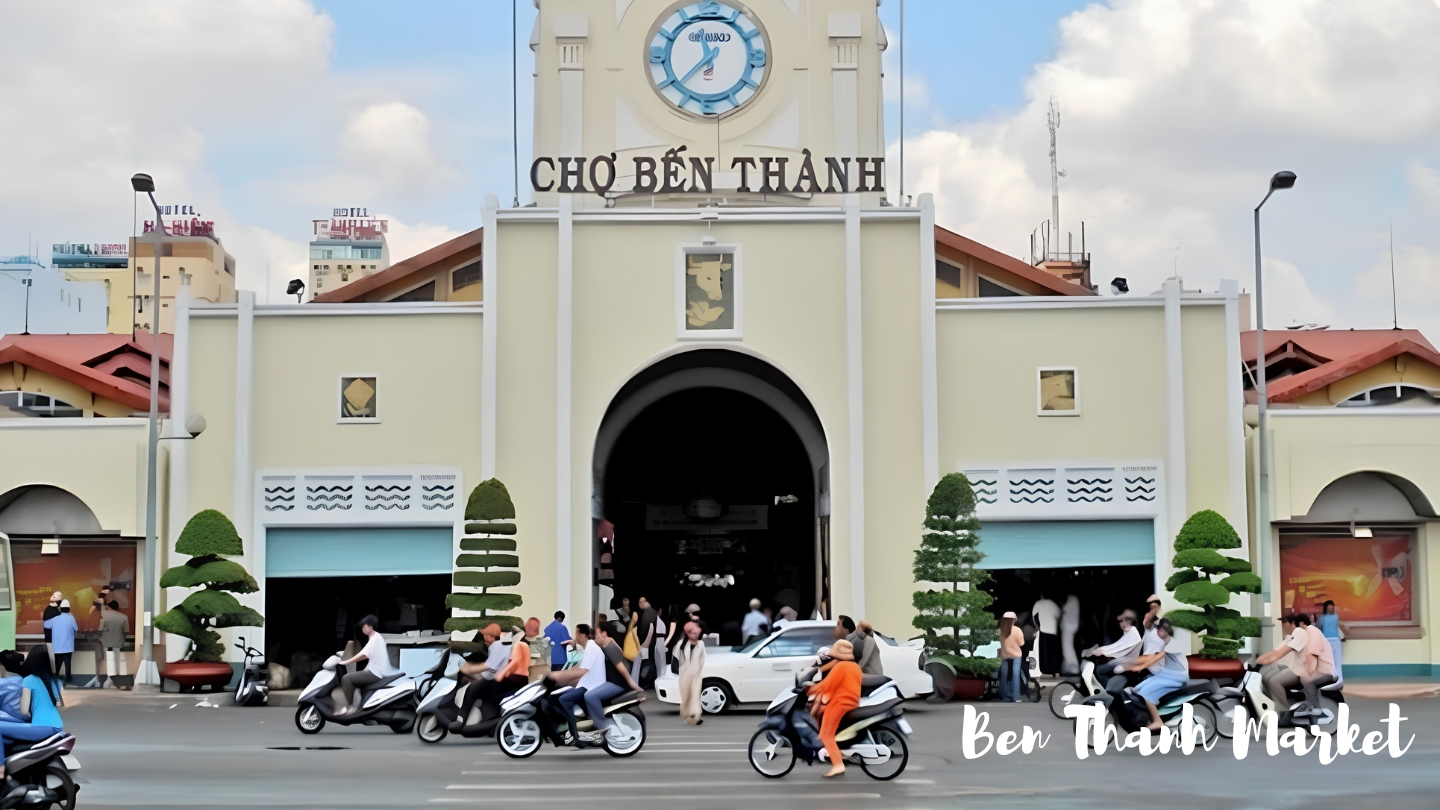
This dual identity is physically preserved throughout the urban landscape. Crucial historical landmarks, educational institutions, and commercial districts proudly retain the name. The life-giving artery that cuts through the urban sprawl is the Saigon River. One of the city's most respected institutions of higher learning is Saigon University. When locals and expats look for a bustling retail experience, they head to Saigon Square, and the very core of the central business district features the soaring towers of Saigon Center.
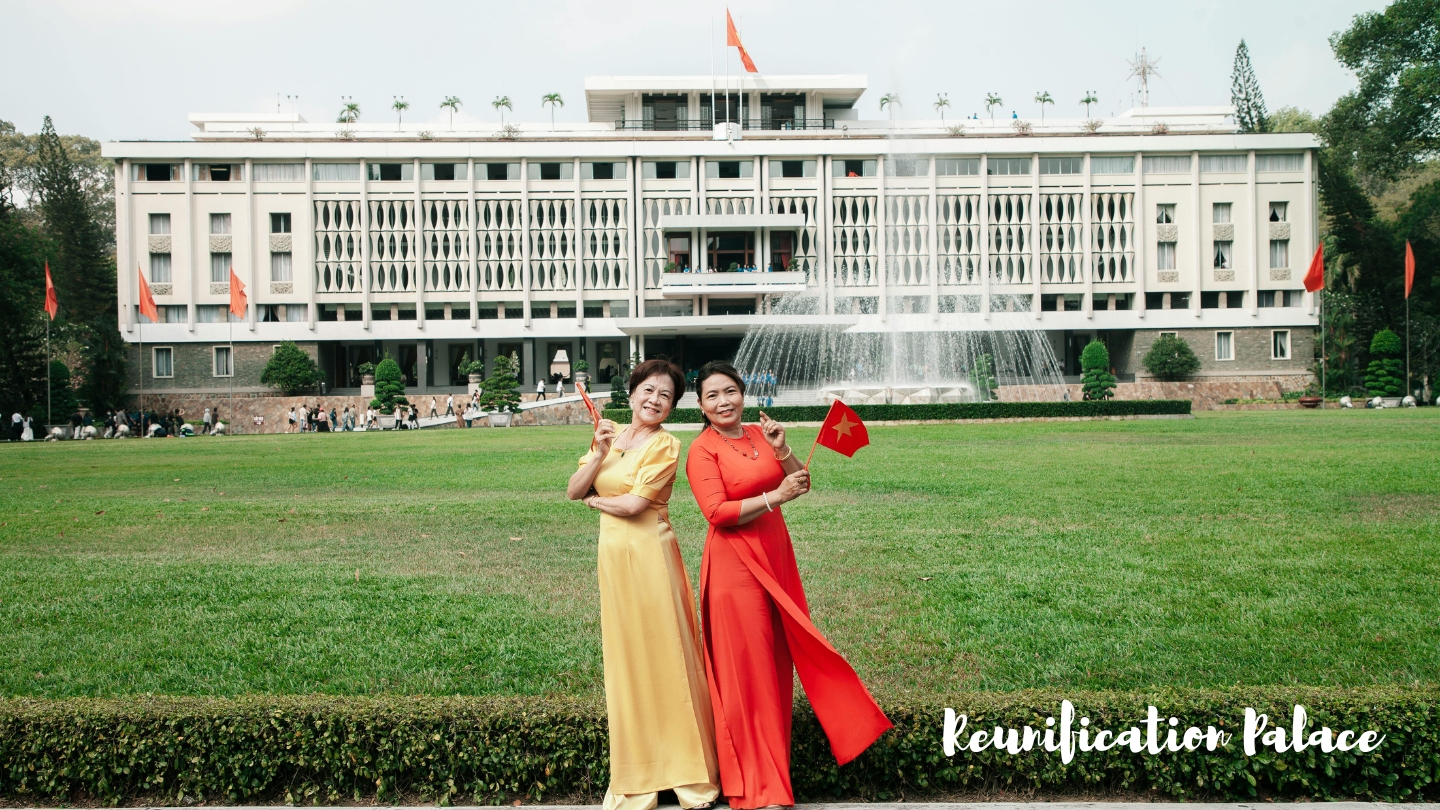
Beyond its historical and cultural weight, this unified metropolis stands as a monumental economic powerhouse. Boasting one of the largest and busiest international airports in the country, it serves as Vietnam’s primary commercial center, drawing an immense influx of foreign direct investment. Just as importantly, it serves as a magnetic hub for global tourists. The bustling streets, historic architecture, and world-class culinary scenes generate a significant source of revenue for the nation, positioning the southern capital as an essential anchor of the country's tourism industry.
When international travelers plan a multi-week adventure across the length of Vietnam, they face a fundamental logistical choice regarding their point of entry and departure. The country is flanked by two massive aviation gateways: Noi Bai International Airport in the northern capital of Hanoi, and Tan Son Nhat International Airport in the southern hub of Ho Chi Minh City.
Because Hanoi is the nation's capital, it naturally commands a slightly higher volume of direct international flights from specific global sectors. Consequently, standard travel agency templates and algorithmic booking engines frequently default to routing tourists from North to South—starting in Hanoi and concluding in Ho Chi Minh City.
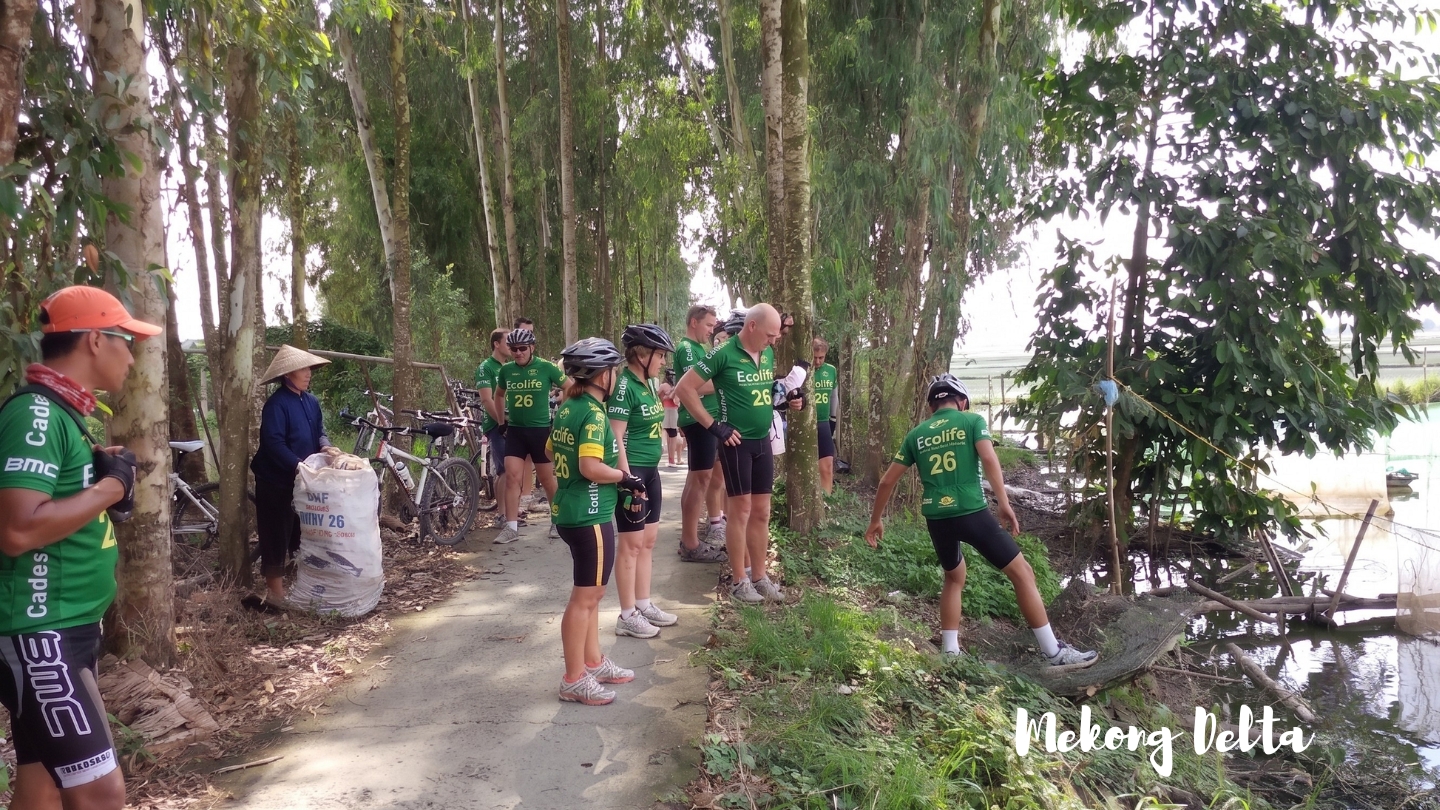
However, this conventional routing represents a significant misconception and an imbalance in core travel thinking. It is a formulaic approach that overlooks the geography, weather patterns, and scenic rewards of the Vietnamese coastline. Only experienced travelers, veteran cycling guides, and those who have intimately mapped these roads on two wheels understand that booking a Saigon bike tour starting from Saigon is always the superior choice.