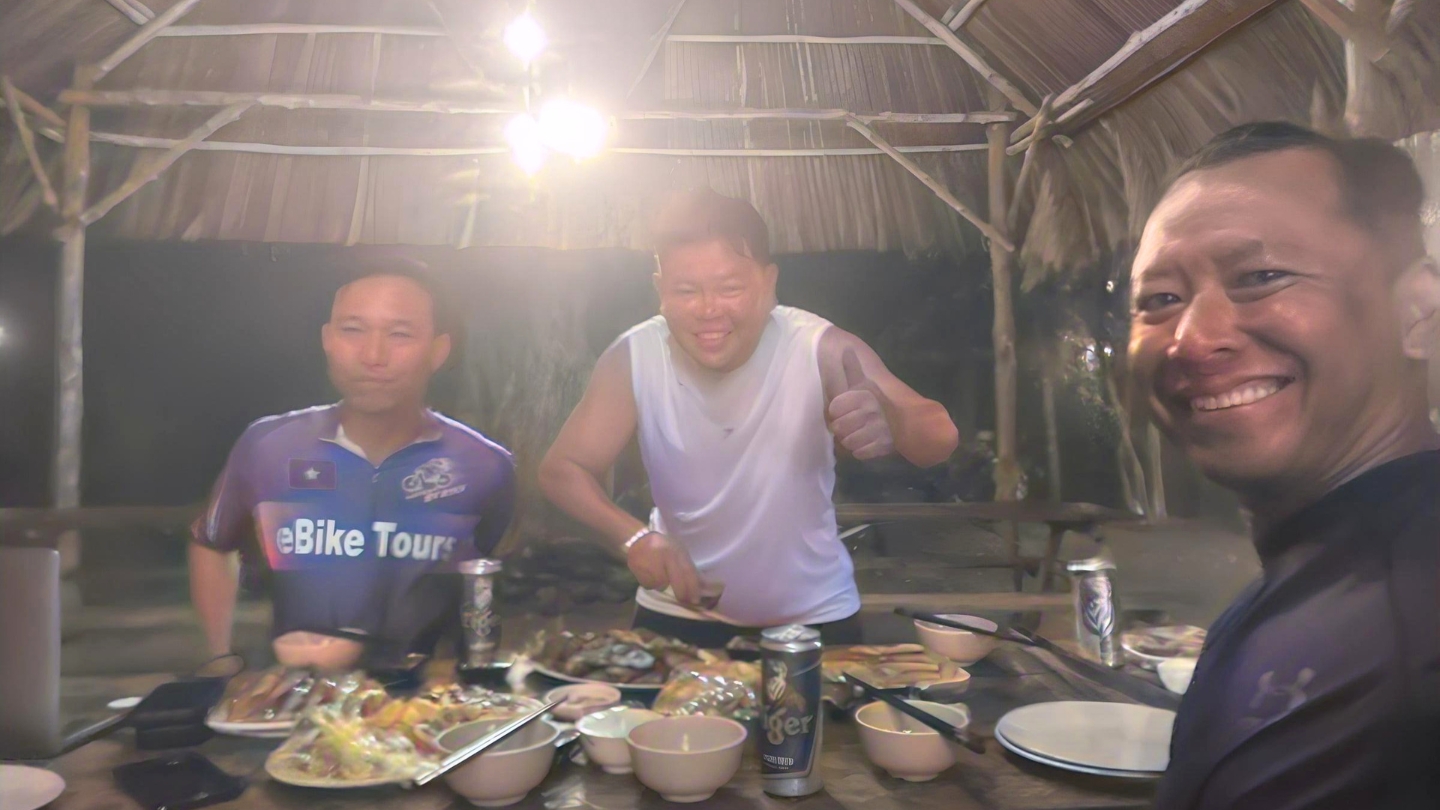
In Vietnam, drinking is rarely just about the alcohol. It is a vibrant social ritual, a catalyst for connection, and a defining cultural experience. Whether pulled up on tiny plastic stools at a bustling street corner or seated in a high-end restaurant, “đi nhậu” (going out for drinks and food) carries a spirit you won't find anywhere else.
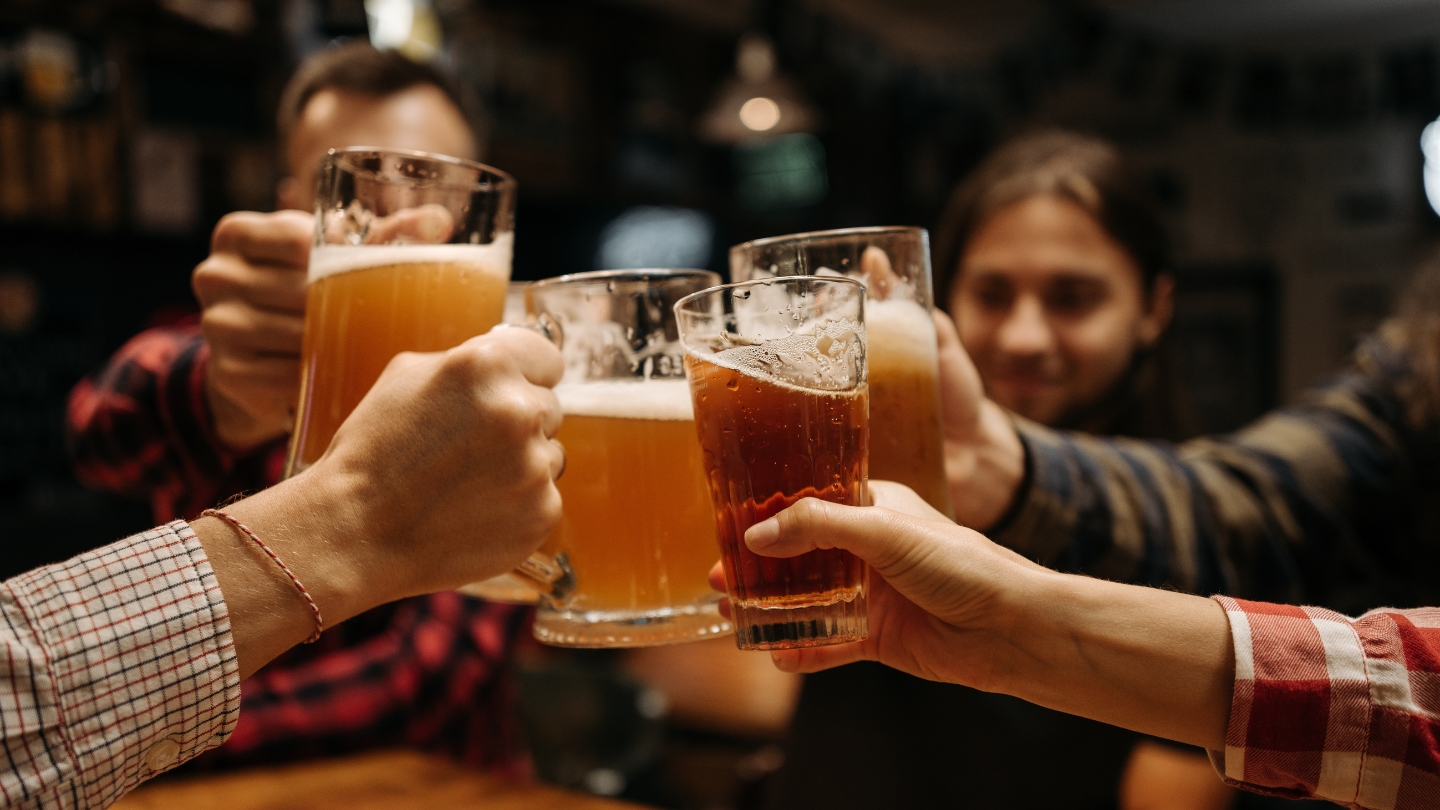
Here is a closer look at the philosophy, unspoken rules, and regional flavors of Vietnamese drinking culture.
1. The Philosophy: Connection Over Consumption
- For the Vietnamese, the drinking table is a equalizer and a bridge. Alcohol is simply the excuse to gather, unwind, and open up.
- Social Glue: From high school reunions to celebrating a new milestone, nhậu culture is how people bond, share joy, and leave the day's stress behind.
- The Ultimate Boardroom: In Vietnam, major business deals, partnerships, and networking breakthroughs don't just happen in offices—they are cemented over a few cold beers, where walls come down and genuine trust is built.
2. The Unwritten Rules of the Table
If you find yourself at a Vietnamese drinking session, keep these unspoken cultural codes in mind:
- The Ultimate Battle Cry ("1, 2, 3, Dô!"): You don't drink alone. Before almost every sip, the entire table collectively shouts, “Một, hai, ba, dô!” (1, 2, 3, Cheers!). It’s a loud, high-energy declaration of shared camaraderie.
- The Glass-Lowering Etiquette: Hierarchy matters, even in fun. When clinking glasses with elders, bosses, or clients, it is customary to lower the rim of your glass slightly below theirs as a sign of respect.
- The "Roaming" Toast: Don't be surprised if someone picks up their glass and walks over to the other side of the table—or even a neighboring table. "Going from street to street" to toast someone individually is the ultimate way to show hospitality or make a new friend.
- Reciprocity: If you pour a drink for someone, expect them to return the favor. The general rule of thumb? Match the energy and enthusiasm of the table.
3. Mồi: The Culinary Art of Drinking Snacks
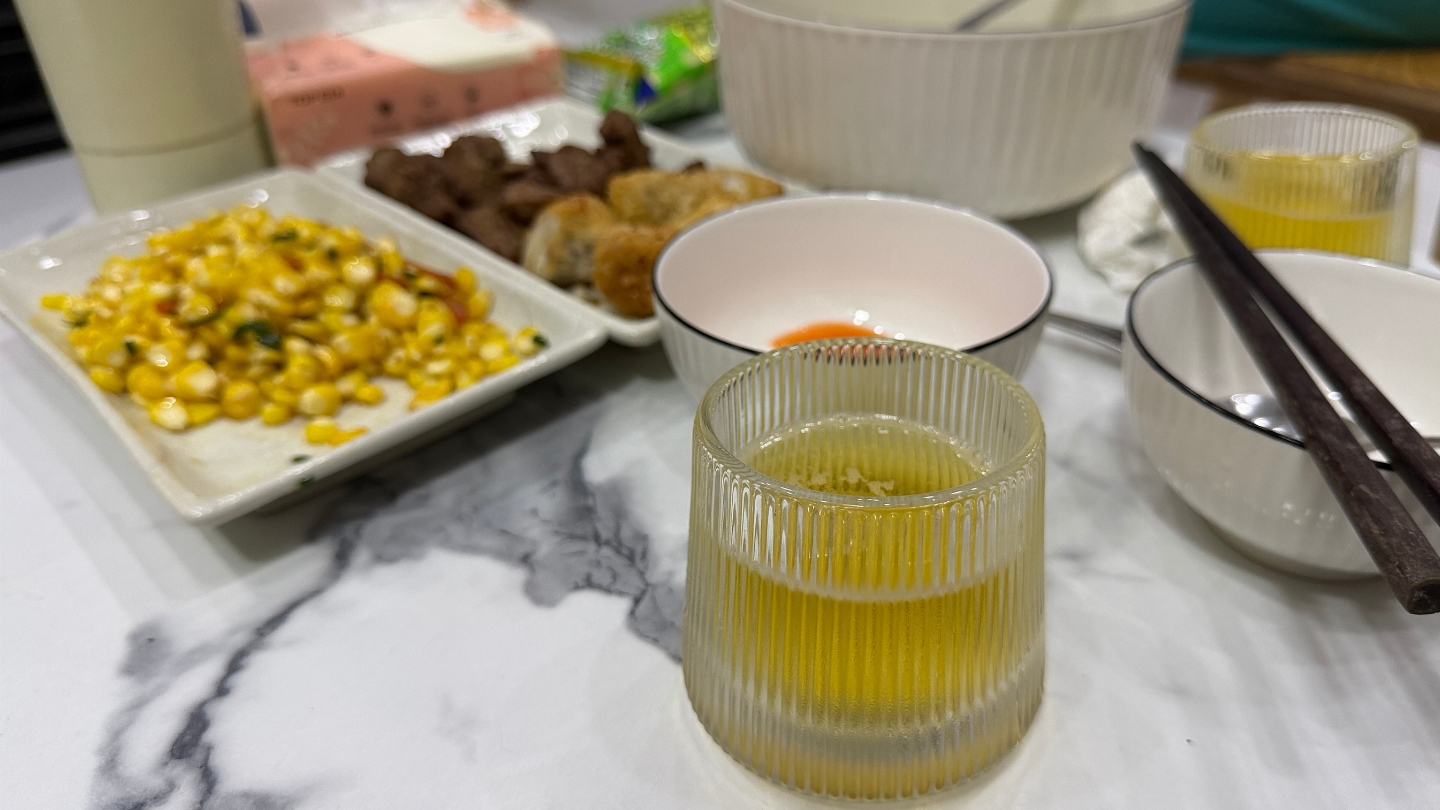
You cannot have a proper nhậu session without mồi (drinking snacks). The food is deliberately curated to complement the drinks, striking a balance between rich, savory, and refreshing flavors.
Rich & Savory Dishes
Popular Dishes: Various hotpots, beef dipped in vinegar, grilled seafood, and pork intestines.
Why It Works: These are hearty, protein-packed dishes that sustain energy and anchor the stomach during long drinking sessions.
Finger Foods & Salty Snacks
Popular Dishes: Roasted peanuts, nem chua (fermented pork), grilled dried squid, and smoked buffalo meat.
Why It Works: They are light, savory, and chewy items perfect for pacing yourself and grazing between conversations.
4. A Regional Breakdown: From North to South
While the love for nhậu is universal across Vietnam, the style changes drastically depending on the geography:
🇻🇳 The North: Prefers traditional rice wines, herbal infusions, and local draught beer (bia hơi). The vibe starts with a bit more formal etiquette, but once the ice breaks, everyone is treated like family.
🌊 The Center: Simple, resilient, and enduring. Central locals are legendary for their drinking stamina, usually paired with intensely spicy, flavorful coastal dishes.
🌴 The South: Free-spirited and incredibly relaxed. Southerners live for ice-cold lager poured over massive ice cubes. They can comfortably sit from afternoon till midnight, embodying a generous, "party hard" hospitality.
5. The Modern Shift: Safer and Smarter
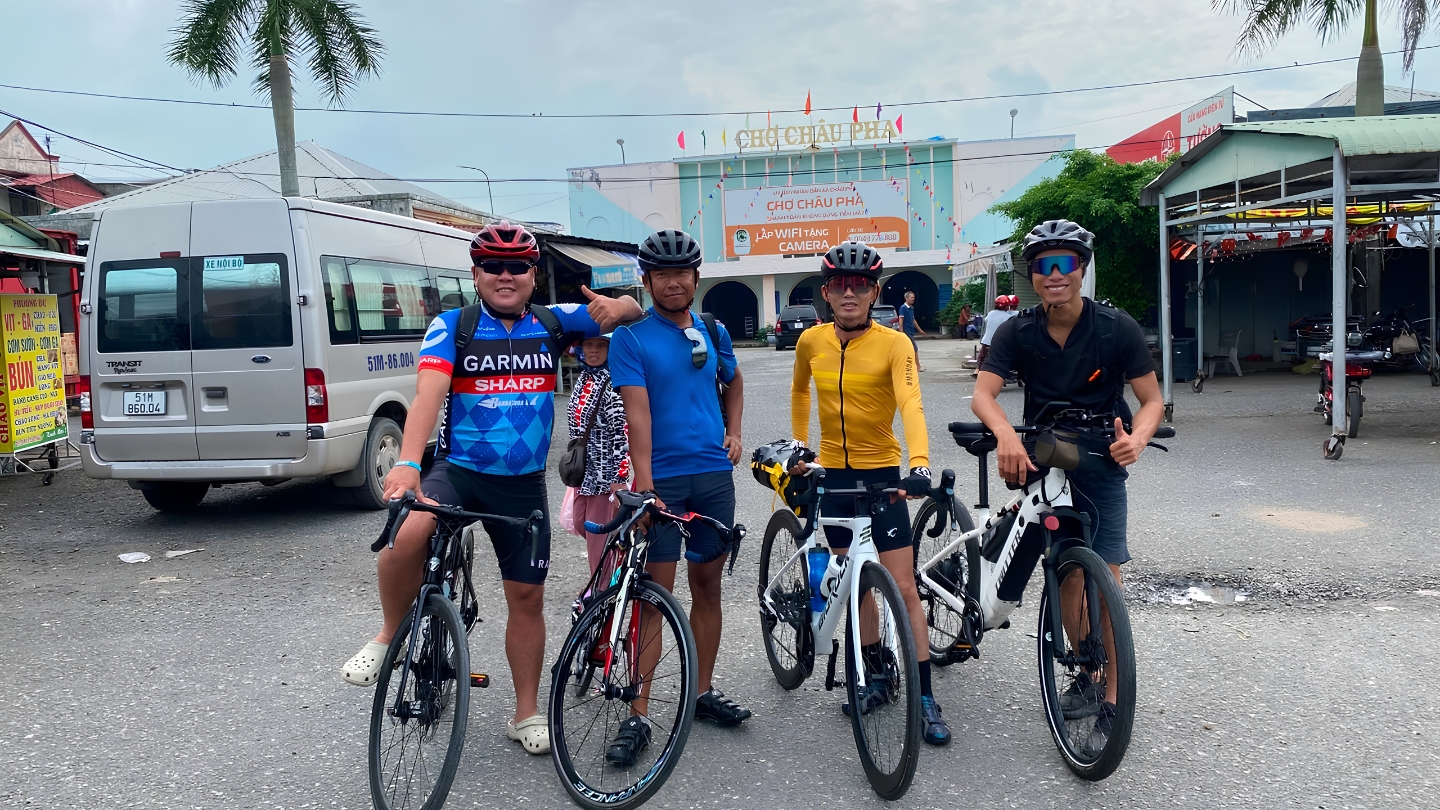
Today, in our Vietnam bike tours’s drinking culture is evolving into something healthier and safer. Driven by strict zero-tolerance drunk driving laws (Decree 100), the days of pressured binge drinking are fading.
Modern Vietnamese nhậu sessions now rely heavily on ride-hailing apps for a safe trip home. The focus has happily shifted to what matters most: enjoying our food cycling at on incredible food, savoring the drinks, and engaging in meaningful conversation.