Cycling Central Highlands of Vietnam have very difficult and challenging mountain passes !
However, from another perspective, we can view these as physical challenges, and after overcoming them, our health improves. Therefore, if we know how to utilize our inherent abilities, we can conquer these beautiful routes and gain valuable experiences while maintaining good health—a fact that no one can deny.
In addition, we also have streams, spectacular scenery, regional dishes, and a rich diversity of Vietnamese cuisine and culture, which will give you truly amazing experiences that other countries in Indochina cannot compare to. This is because Vietnam has many different types of terrain, including hills, mountains, and plateaus. This is a unique tourism experience, and cycling is the best way to help you gain an in-depth understanding of these cultural forms.
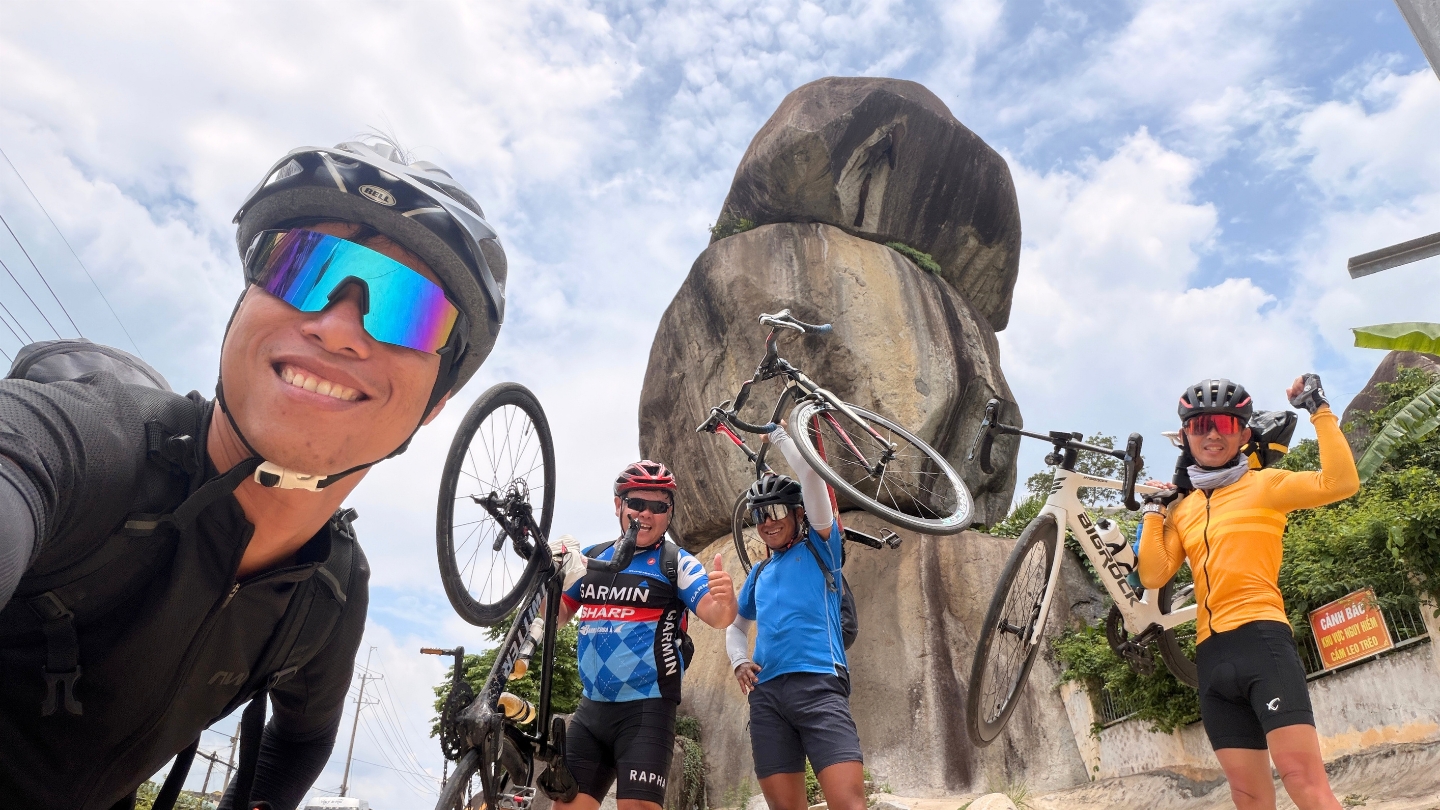
The Central Highlands of Vietnam, known locally as Tây Nguyên, is a region wrapped in mist, rich with myth, and defined by its majestic, undulating landscapes. For the casual traveler, it is a place of serene beauty and quiet reflection. However, for the intrepid cyclist, it presents a formidable frontier. The region is notorious for its steep, winding, and endlessly challenging mountain passes. Roads that snake up into the clouds test the mettle of anyone brave enough to tackle them on a bicycle. Yet, to view these ascents merely as punishing obstacles is to fundamentally misunderstand the profound opportunity they present. When viewed through a different lens, these grueling climbs transform into remarkable challenges to our physical and mental health. By learning to harness our inherent abilities, we can conquer these breathtakingly beautiful routes, forging unforgettable memories while actively cultivating our well-being. Ultimately, maintaining good health is the most important thing in life—a universal truth that no one can deny.
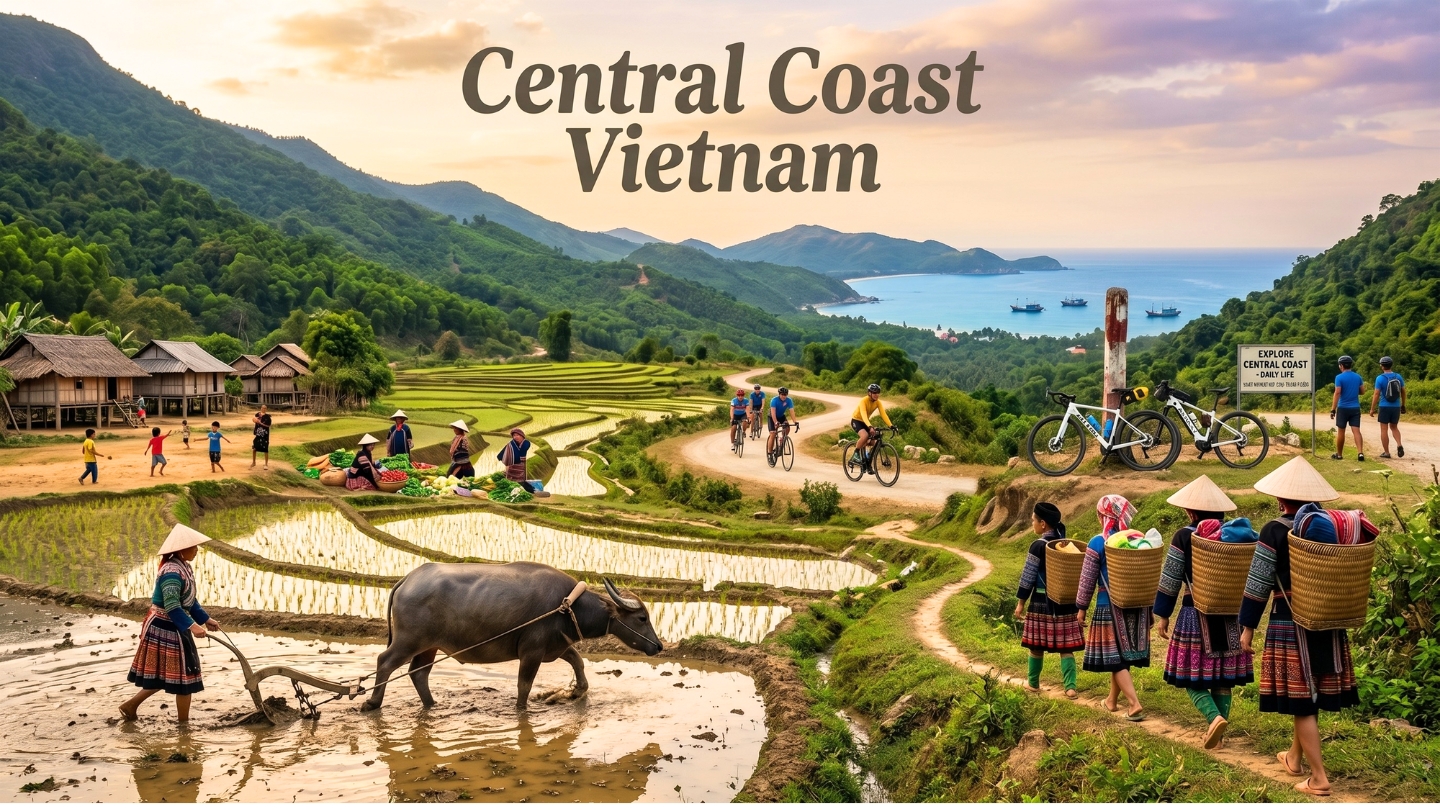
Cycling through the Central Highlands is much more than a test of endurance; it is a holistic immersion into spectacular natural scenery, pristine waterways, diverse regional cuisine, and a rich tapestry of culture. Because of Vietnam’s extraordinarily varied topography—encompassing everything from rolling hills and towering mountains to vast, elevated plateaus—this region offers a unique tourism product that stands entirely unmatched by other countries in Indochina. To truly understand and absorb the depth of these cultural and geographical forms, cycling is undoubtedly the ultimate vehicle.
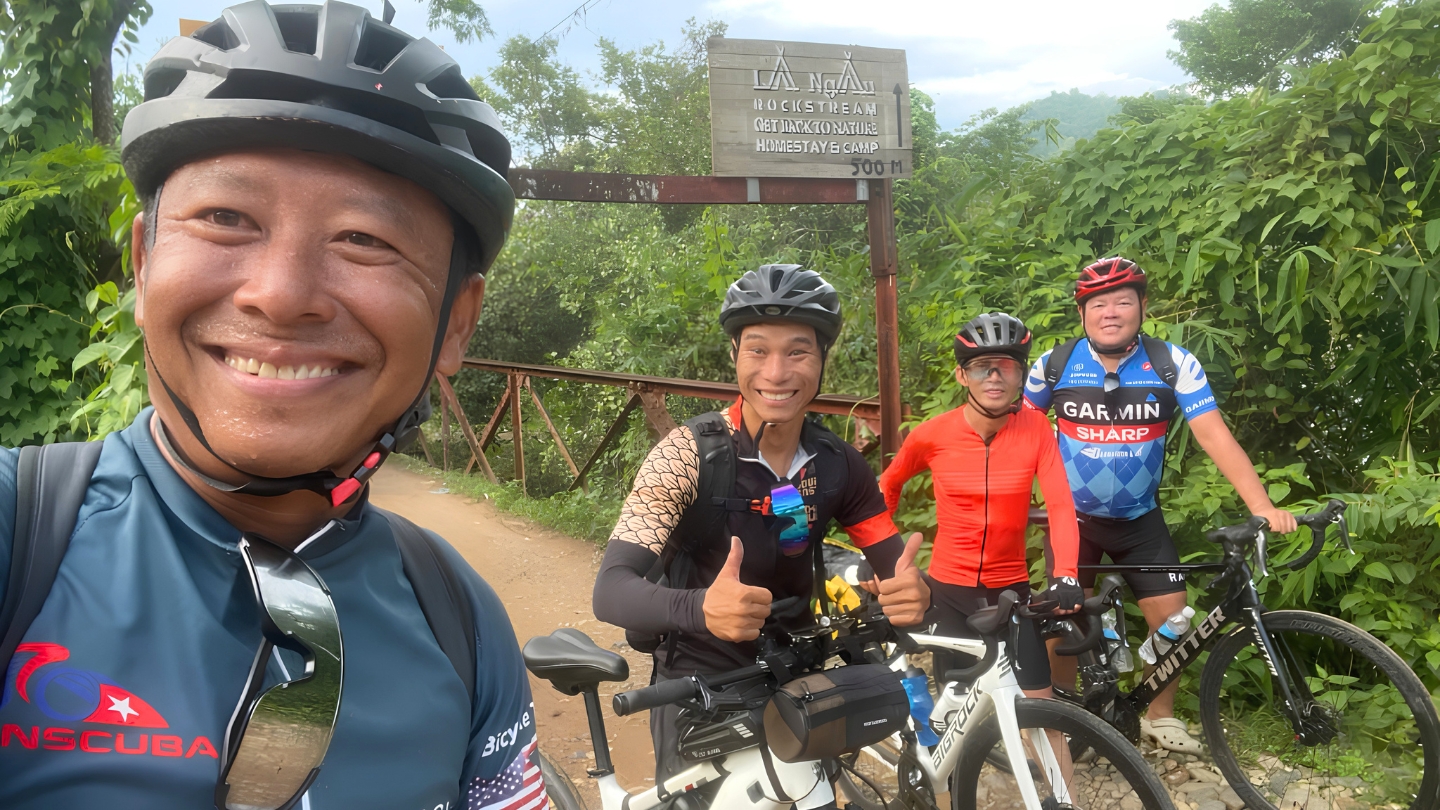
It is impossible to discuss cycling in the Central Highlands without addressing the sheer physical reality of the terrain. The mountain passes here—such as the twisting Violak Pass, the legendary Mang Yang Pass, or the sprawling routes leading up to the Lang Biang Plateau—are undeniably difficult. They feature relentless gradients, unpredictable weather patterns that can shift from sweltering heat to cool mist within hours, and sheer drops that demand absolute focus.
However, a shift in perspective changes everything. Instead of seeing a punishing 15-kilometer uphill grind as a barrier, we can reframe it as a deliberate, purposeful challenge to our health. Human beings possess an incredible reservoir of inherent abilities: our cardiovascular systems can adapt to immense stress, our muscles can generate astonishing power over sustained periods, and our minds are capable of pushing past the perceived limits of exhaustion. When we mount a bicycle and face these passes, we are tapping directly into this evolutionary inheritance. We are asking our bodies to do what they were fundamentally designed to do: work hard, adapt, and overcome.
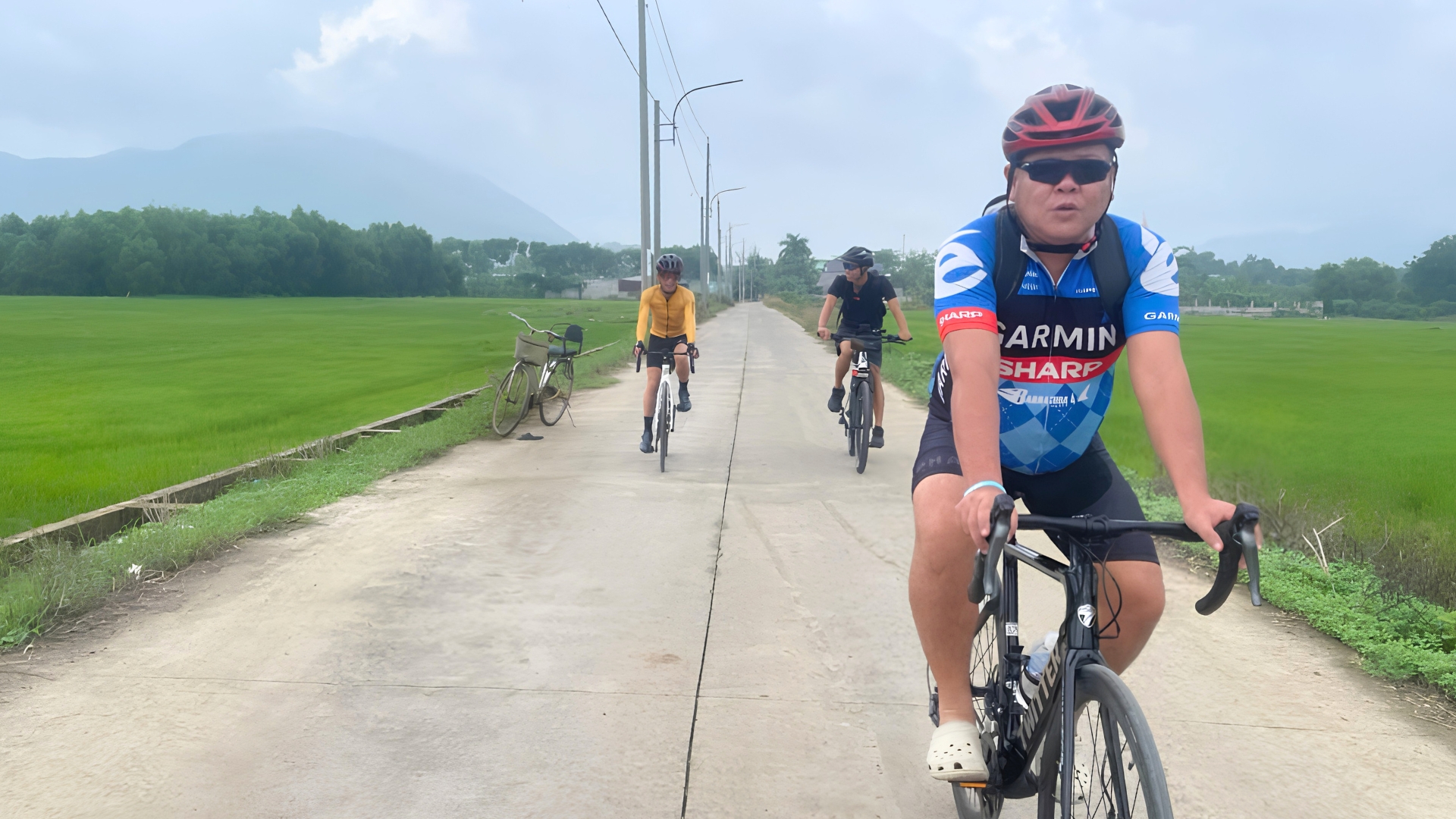
Every pedal stroke against the gravity of the Central Highlands is an investment in longevity. The rigorous effort required to conquer these elevations forces the heart to pump stronger, the lungs to expand their capacity, and the circulatory system to become more efficient. By the time a cyclist reaches the summit, drenched in sweat and breathing heavily, they have not just climbed a mountain; they have fortified their own physiology.
There is a profound realization that occurs at the top of a highland pass. As your heart rate begins to settle and you look out over the sprawling green valleys below, a sense of euphoria washes over you. This is not just the thrill of the view; it is a cocktail of endorphins, adrenaline, and dopamine rewarding you for your effort.
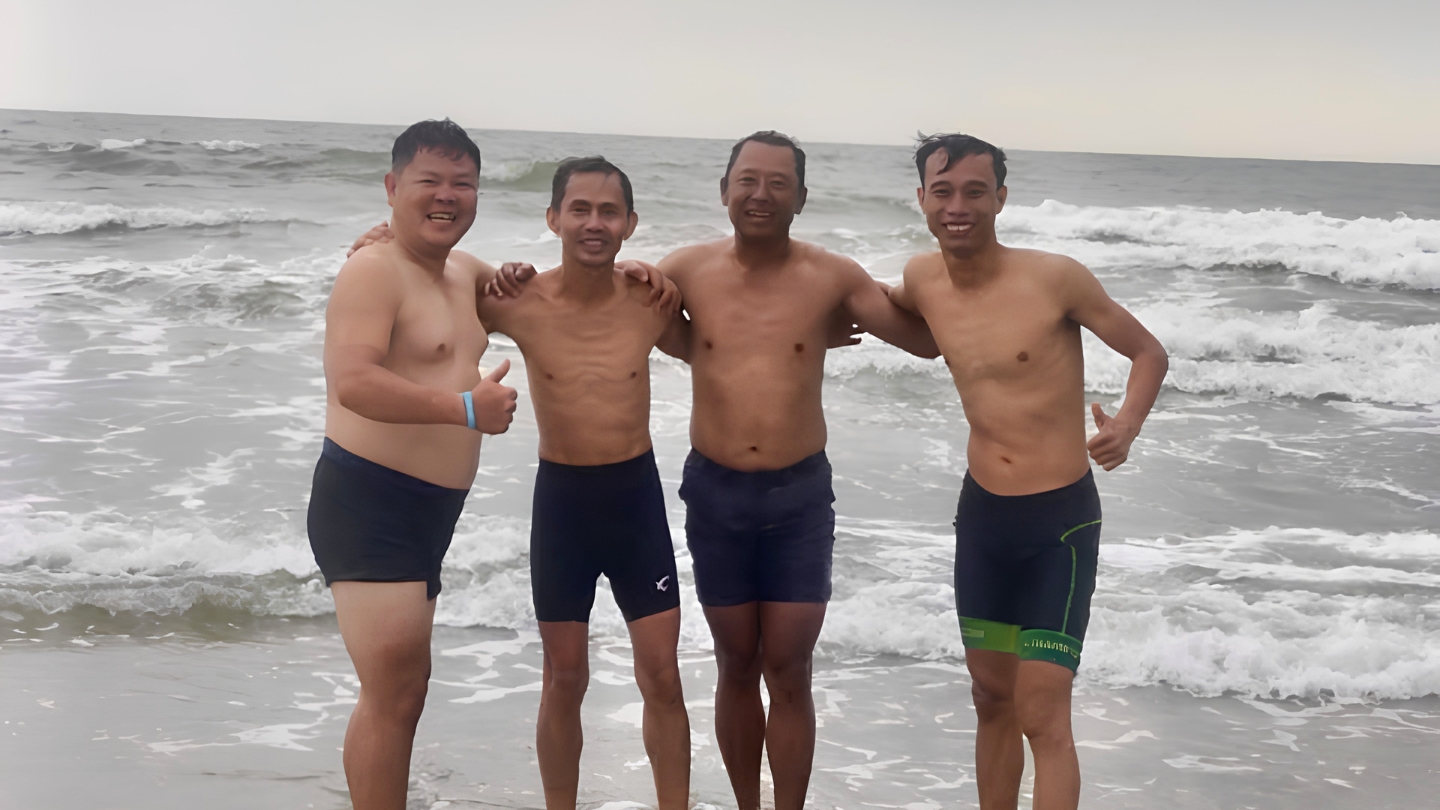
After overcoming these monumental challenges, our health undeniably improves. The physical adaptations are paired with immense psychological growth. The mental fortitude required to keep pedaling when your legs are burning translates into a broader resilience in everyday life. You learn patience, pacing, and the undeniable power of perseverance.
It is an inescapable reality that good health is the foundational pillar of a fulfilling life. Wealth, status, and material possessions mean little without the physical vitality to enjoy them. By choosing to engage in challenging physical tourism like highland cycling, we prioritize our well-being. We use the natural world as our gymnasium, choosing fresh pine-scented air over climate-controlled rooms, and the rhythmic meditation of the pedal stroke over a sedentary existence. No one can deny that a healthy body and a clear mind are our greatest assets, and the demanding routes of Tây Nguyên provide the perfect environment to forge both.
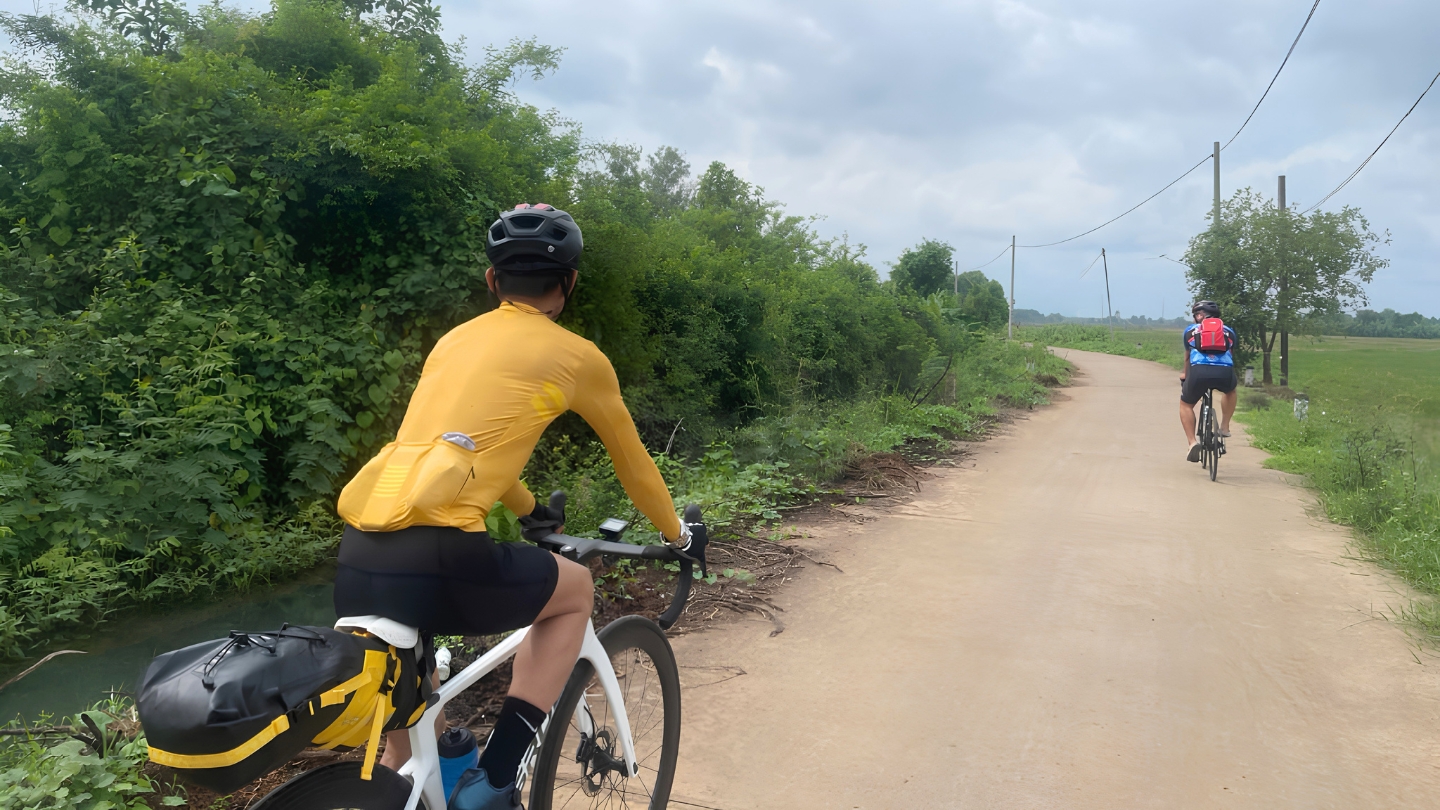
While the physical challenge is a significant draw, the aesthetic rewards of cycling the Central Highlands are equally compelling. This is a land defined by its dramatic and untouched natural beauty. As you conquer the passes, the landscape unfolds in a vibrant display of ecological diversity.
Pristine Streams and Waterfalls:The highlands are veined with crystalline streams that carve through the basalt rock. Cyclists often find themselves riding alongside roaring rivers or stopping to rest at the base of spectacular waterfalls like Dray Nur, Dray Sap, or Pongour. The cool, refreshing mist of these falls provides a natural remedy for tired muscles.
Endless Plantations:The rolling hills and plateaus are blanketed in a patchwork quilt of emerald green. You will cycle past sprawling coffee plantations, where the air is heavy with the scent of blossoming coffee flowers in the spring, as well as vast stretches of pepper vines, rubber trees, and tea estates.
To truly appreciate a unique tourism product, the method of travel is just as important as the destination itself. Motorbikes and cars isolate the traveler. They move too fast, enclosed in metal and glass, creating a barrier between the observer and the environment. Cycling dismantles that barrier entirely.
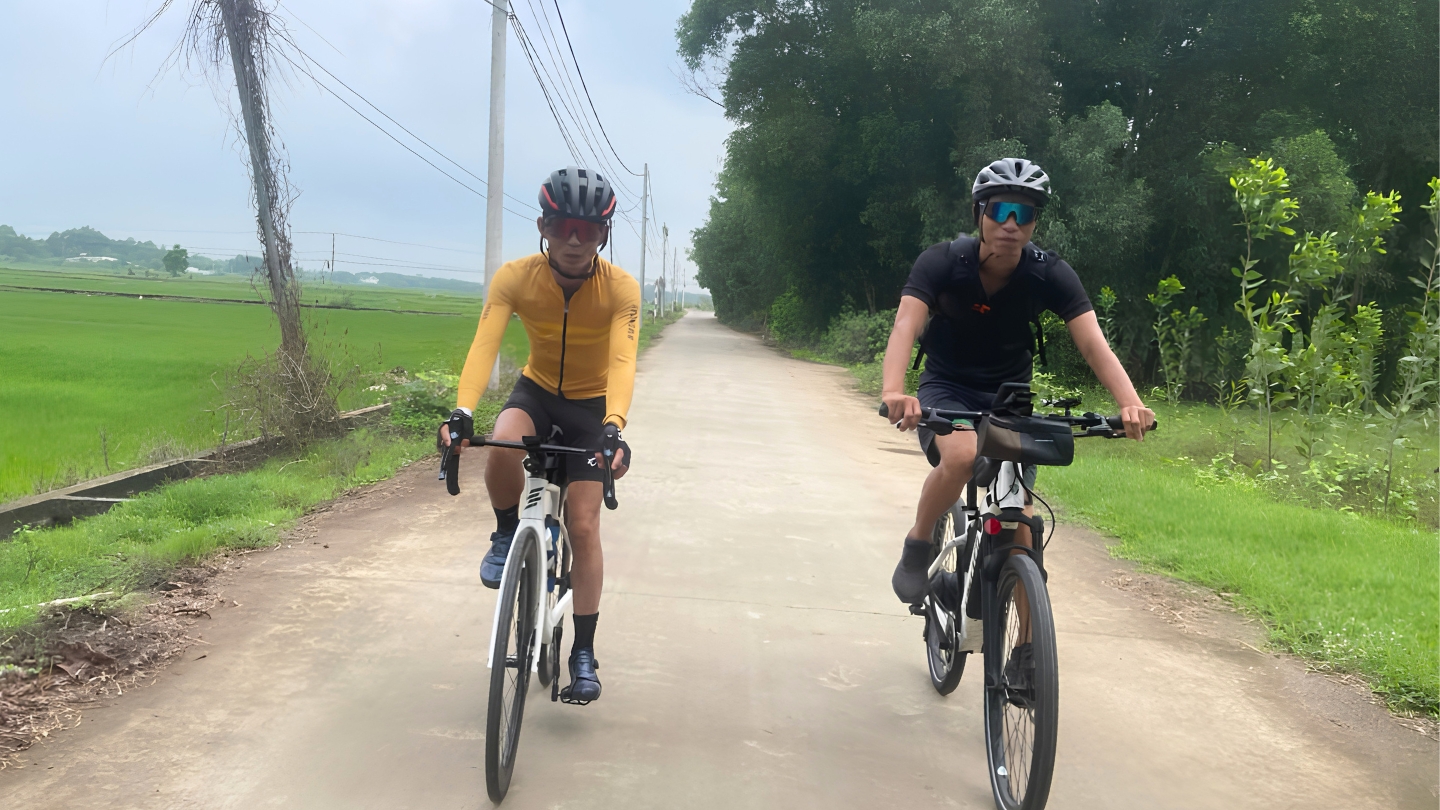
When you ride a bicycle through the Central Highlands, you are forced to move at a human pace. This slow travel is the absolute best way to gain an in-depth experience of the local cultural forms. The region is home to numerous ethnic minority groups, including the Gia Rai, Ba Na, and E De peoples. Their lives are deeply intertwined with the rhythms of the land, heavily featuring communal longhouses, vibrant gong music traditions (recognized by UNESCO as an Intangible Cultural Heritage of Humanity), and intricate weaving.
Approaching a village on a bicycle instantly changes the dynamic of the interaction. You arrive not as an insulated tourist, but as a traveler who has expended physical effort to reach their home. The vulnerability and openness of arriving on two wheels foster immediate smiles, genuine curiosity, and warm hospitality. You can stop easily to watch farmers harvest coffee, listen to the distant sound of gongs echoing through the valleys, or share a cup of green tea at a roadside stall.
Taking on the difficult and challenging mountain passes of the Central Highlands on a bicycle is much more than an extreme sport. It is a profound philosophical choice. It is a declaration that we are willing to push our inherent human abilities to their limits in pursuit of physical vitality and mental clarity. By viewing these daunting ascents as challenges rather than obstacles, we actively claim the most important thing in life: our health.
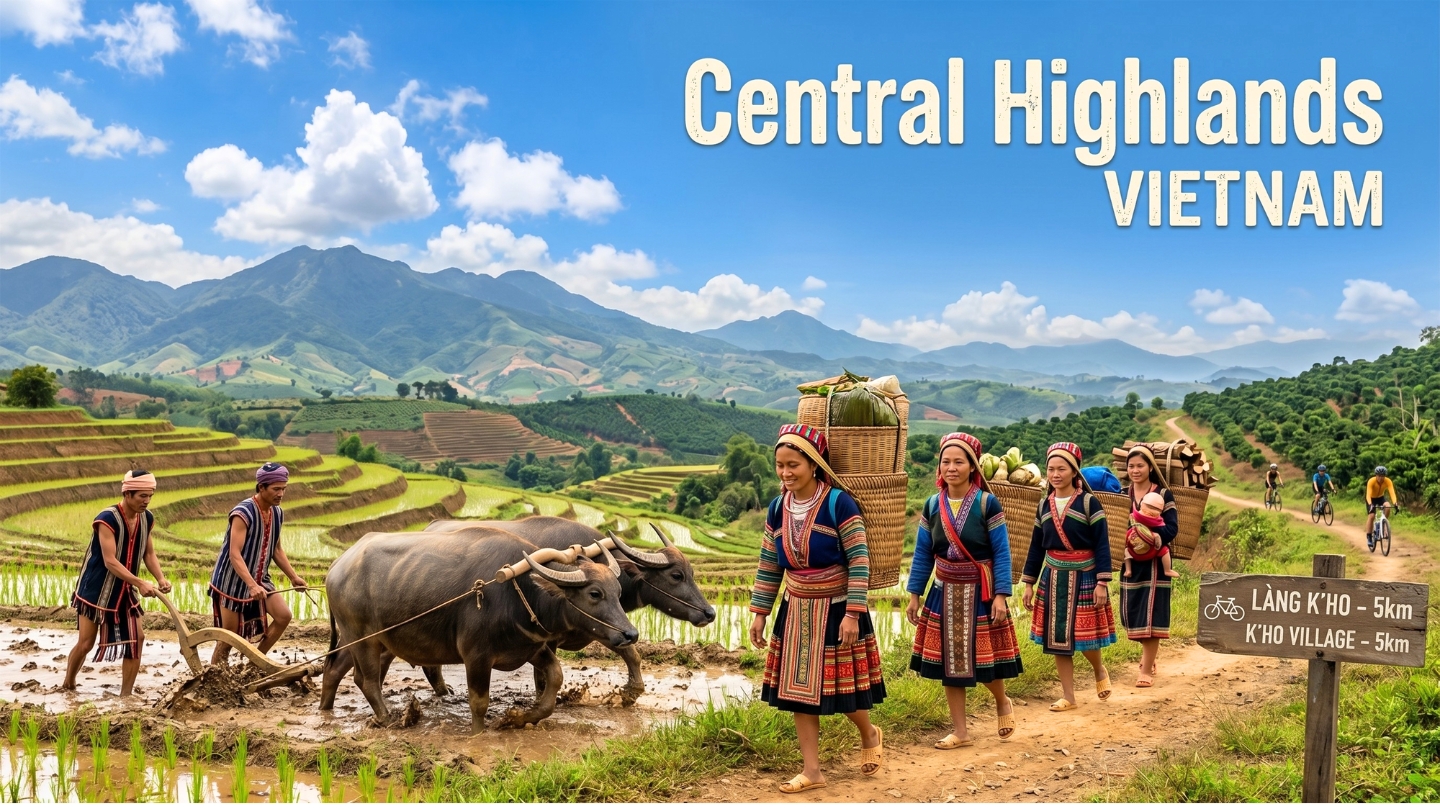
Coupled with the cascading streams, the towering pines, the hearty regional dishes, and the deep, diverse tapestry of Vietnamese culture, this journey offers an experience that simply cannot be replicated elsewhere in Indochina. The varied terrain of hills, mountains, and plateaus provides a dynamic, ever-changing backdrop for an adventure of a lifetime. Cycling is not just a way to traverse this landscape; it is the definitive, most intimate way to experience it, turning every drop of sweat into a lasting memory and every conquered pass into a testament to the human spirit.